

A few years ago, I was in New York with my 22-year-old daughter. We visited museums, ate well, and did some shopping. She found a pair of sandals made of embroidered Chinese fabric. But later that summer, I noticed she never wore them. When I asked why, she said: “I just feel like there’s a chance I’ll get called out.” I understood. And I realized then that my daughter was coming of age in a world radically different from the one I grew up in - a world where even the fabric on a pair of shoes could feel politically charged. Where new and rigid social codes had taken root, and where intentions often matter less than optics.
I’m torn. I admire many of the progressive values underlying these shifts. But I also worry that something essential is being lost in the process: our capacity for nuance, for curiosity, for open dialogue.
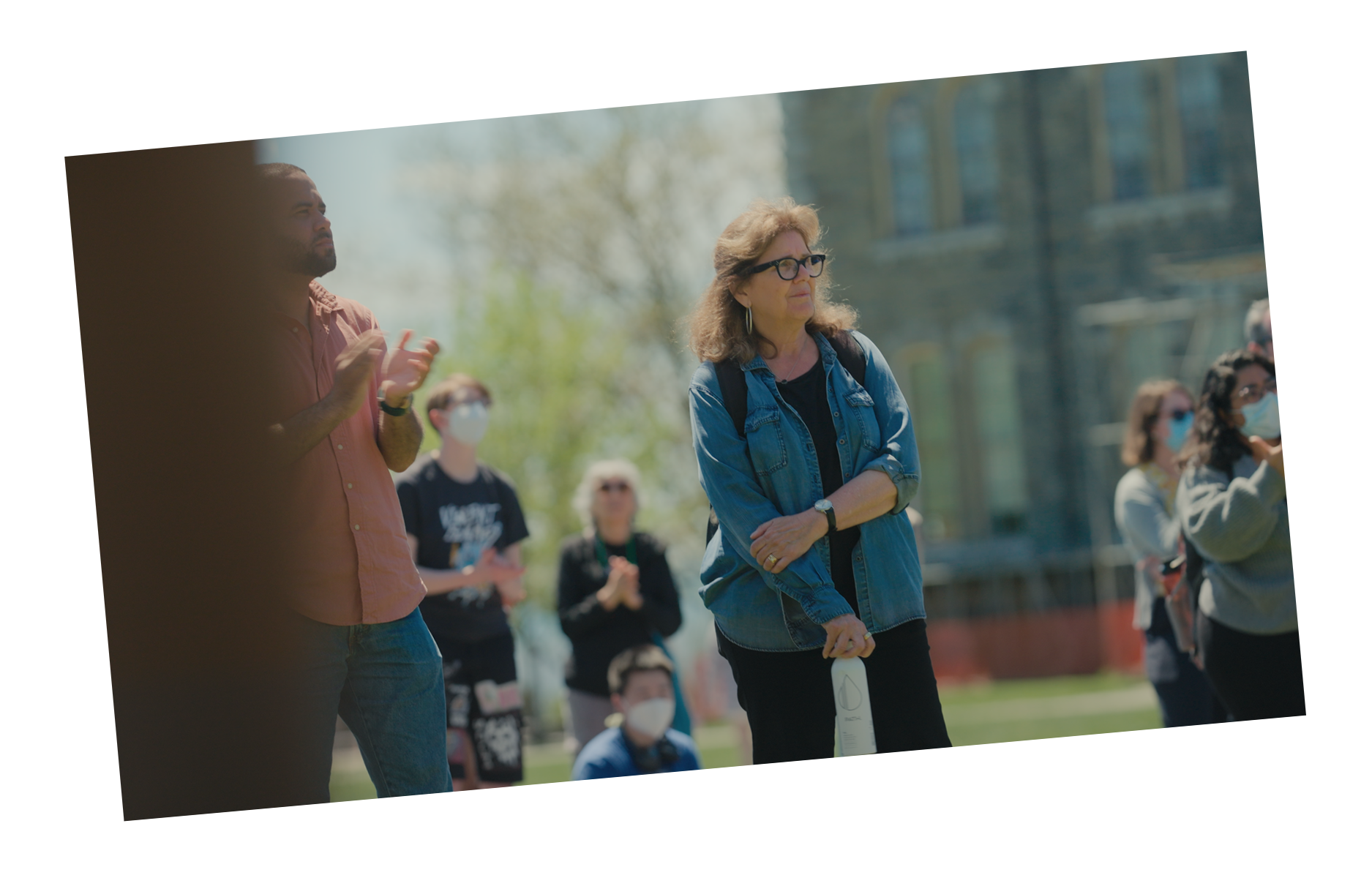
At the center of Speechless is the question of free speech - its meaning, its limits, and its future. Over the past several years, I’ve followed students and professors who found themselves in conflict with their institutions over things they’ve said, subjects they’ve taught, and opinions they’ve held. From Harvard to Cornell, University of Sussex (UK) to Penn State, Evergreen to Stanford, the film explores how higher education is being reshaped by the culture wars - often in ways that silence debate instead of encouraging it.
The story also takes viewers to New College of Florida, where a conservative political takeover has proven to be the prototype for Trump-era “reforms.” We were on the ground as New College became the first institution in the U.S. to dismantle its DEI office and eliminate its gender studies department - echoing Governor Ron DeSantis’s declaration that “Florida is where woke goes to die.” What happened there was not an endpoint but a preview, a glimpse of the model Trump would carry onto the national stage.
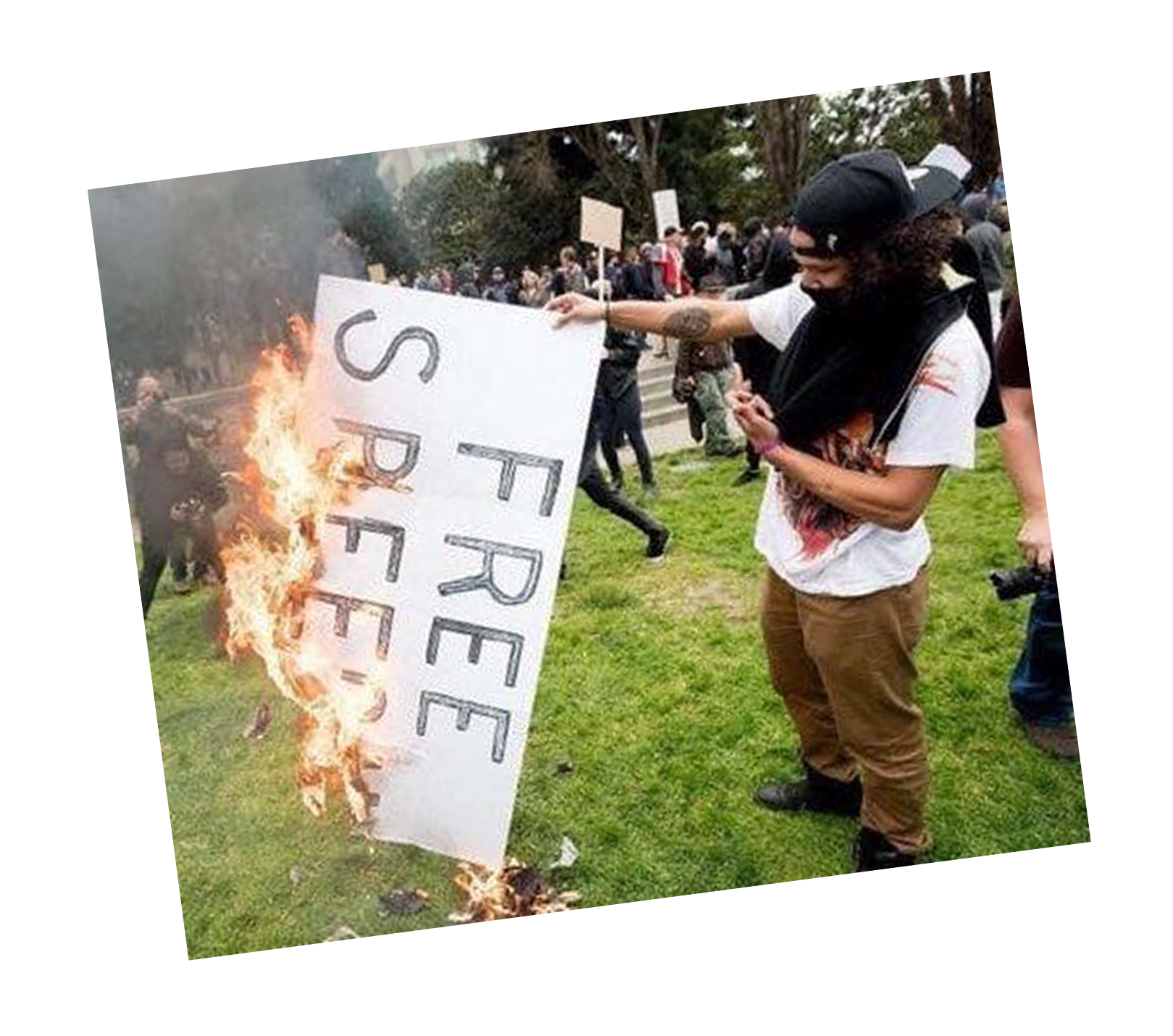
Speechless has been in the making since 2017. I began developing the project after reading The Coddling of the American Mind in The Atlantic magazine. Reports of students demanding trigger warnings, calling to de-platform speakers, and faculty feeling as though they were walking on eggshells in their own classrooms struck me as both a parent and as a citizen. Higher education has long been a space for wrestling with difficult ideas. If we lose the ability to engage across differences, even uncomfortably, what does that mean for democracy? At the heart of a pluralistic society is the right to disagree.
Since then, the world has changed and Speechless has evolved along with it. What began as deeply personal struggles over language and identity turned out to be the opening act of a much larger story: one that would culminate in a historic right-wing takeover of higher education under Donald Trump. The urgency of the film’s core question has only deepened.
The past years have raised the stakes. The murder of George Floyd, October 7th and its aftermath, and the rise of anti-DEI movements across campuses have reshaped the emotional and political terrain of higher education. And just as the left was rewriting campus norms, the right seized its moment - first in Florida, then nationally under Trump. Higher ed became a battlefield in the culture wars, with consequences that reach far beyond the quad.
I come to this story with my own history. I’m the child of immigrants. My parents were Holocaust survivors who arrived in Canada penniless and without a word of English. Both lost their entire families in Auschwitz. I was raised to value the freedoms democracy brings: the ability to speak, to question, to dissent. I’ve always thought of myself as a lefty - maybe not a Birkenstock lefty, but definitely a Suede Chelsea boot lefty. I believe in equality and in creating space for marginalized voices. And yet I found myself confused by this moment.
My work has always focused on bringing urgent, often uncomfortable stories into the mainstream - from sex trafficking and slavery to Ebola and corruption. Speechless continues that trajectory, but on a terrain closer to home. What happens on university campuses is not isolated - it’s a reflection of, and often a precursor to, broader societal shifts.
That’s why I set out to tell this story in a way that goes beyond sound bites. I wanted a nuanced account that takes viewers inside the conflict as it unfolds and explains how we got here. Speechless is part personal journey, part verité, and part investigation - a film that brings the audience with me, step by step, through the arc that connects campus culture wars to a historic assault on higher education.
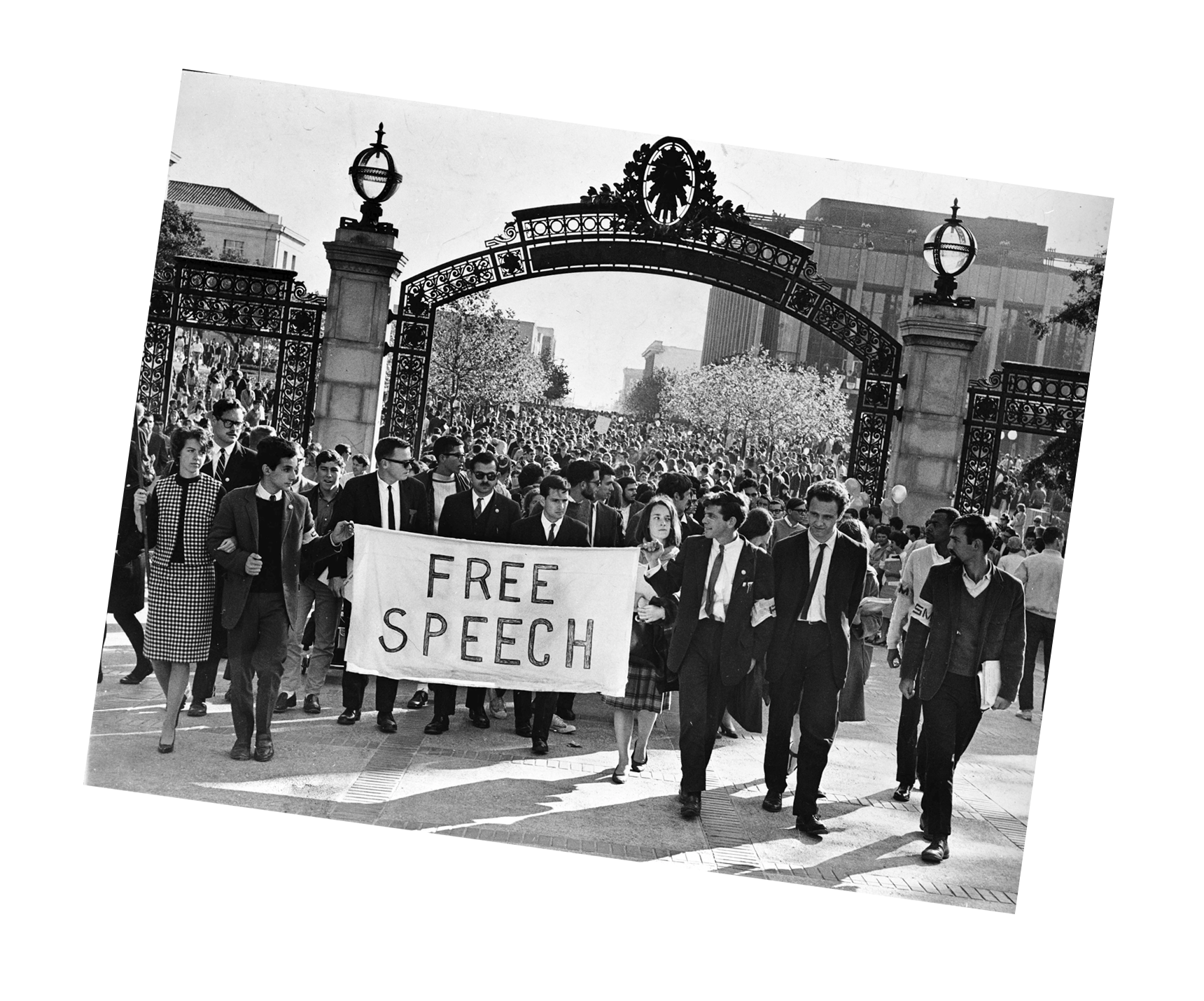
Whether it comes from the left or the right, shutting people down is not the answer. Free speech has been politicized. Once dismissed as a right-wing talking point, it’s now being reclaimed by the left in response to conservative crackdowns on dissent. These contradictions are precisely why this story matters now.
My goal is to create a documentary that challenges viewers, regardless of where they fall politically, and to reflect on what’s at stake when we lose the ability to speak across differences. My hope is that Speechless will remind us that disagreement is not a threat - it’s a feature of democracy. And that silence, however well-intentioned, can be dangerous too.